
Criminal discovery determines what evidence your attorney can access before trial, directly impacting your ability to mount an effective defense. Louisiana’s discovery rules govern when and how prosecutors must share evidence with defense attorneys, creating a complex legal framework that significantly affects case outcomes. Understanding what evidence you’re entitled to see—and what remains hidden—is crucial when facing criminal charges.
At the John D. & Eric G. Johnson Law Firm, we aggressively pursue all available evidence through the criminal defense discovery process. Eric Johnson understands that the evidence prosecutors share represents merely a starting point for building your defense. His extensive trial experience includes fighting for access to critical evidence and conducting independent investigations that uncover facts favorable to clients facing serious charges throughout Louisiana.
What Louisiana Discovery Rules Require Prosecutors to Share
Louisiana law requires prosecutors to disclose specific categories of evidence to defense attorneys, though these requirements are more limited than many people realize. Understanding what prosecutors must share helps you evaluate the strength of the case against you.
District attorneys must provide your prior criminal record, any statements you made to law enforcement, and the results of scientific tests performed on evidence. Prosecutors must also disclose the names and addresses of witnesses they plan to call at trial, though they often delay providing this information until shortly before proceedings begin.
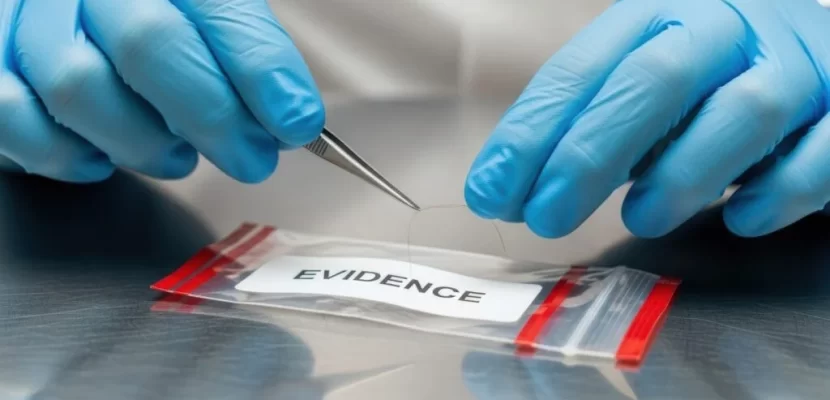
Physical evidence seized during your arrest or through search warrants must be made available for inspection. For drug possession cases, this includes the actual substances, while weapons charges involve access to firearms or other items police confiscated. Your attorney can examine this evidence, conduct independent testing, and challenge the prosecution’s characterization of what police found.
The landmark Brady v. Maryland decision requires prosecutors to disclose evidence favorable to defendants, including information that could prove innocence or reduce punishment. Brady material includes witness statements contradicting the prosecution’s theory, evidence suggesting someone else committed the crime, and information undermining key witnesses’ credibility. Unfortunately, prosecutors sometimes withhold this evidence, either deliberately or through negligence.
Evidence Categories Your Attorney Can Request
Beyond mandatory disclosures, Louisiana law allows defense attorneys to request additional evidence through formal discovery motions. The success of these requests depends on demonstrating relevance and necessity to your defense.
Defense attorneys routinely seek police reports, investigative notes, and documentation of how law enforcement developed their case. For DWI charges, this includes calibration records for breath testing devices and training certifications for officers who administered field sobriety tests. Video and audio recordings from police body cameras, dashboard cameras, and booking facilities provide objective documentation of what actually occurred.
Evidence Prosecutors Can Withhold
Despite discovery obligations, prosecutors retain significant control over what evidence defense attorneys can access. Understanding these limitations helps manage expectations about what information you’ll obtain before trial.
Prosecutors can withhold their own notes, legal research, trial strategies, and internal communications under work product protection. Courts sometimes allow prosecutors to withhold witness contact information when legitimate safety concerns exist. This protection applies most often in cases involving gang activity or violent crimes where witnesses fear retaliation.
Evidence related to ongoing investigations of other suspects or crimes may remain sealed until those matters conclude. This limitation can significantly impact defendants charged with conspiracy offenses or crimes involving multiple participants.
Timing Issues in Criminal Discovery
When prosecutors provide discovery often matters as much as what they disclose. Louisiana’s discovery timeline can create significant challenges for defense preparation.
Key discovery deadlines and timing considerations include:
- Initial discovery typically occurs after arraignment but before preliminary hearings
- Prosecutors often provide minimal information early and supplement closer to trial
- Expert witness reports may not be disclosed until shortly before trial dates
- Additional evidence can surface during the trial, requiring quick defense responses
- Courts sometimes allow delayed disclosure despite prejudice to defendants
Defense attorneys must file timely discovery motions to preserve objections when prosecutors fail to disclose evidence properly. Missing these deadlines can waive your right to access important information.
How Defense Attorneys Conduct Independent Investigations
Effective criminal defense extends far beyond reviewing what prosecutors provide. Your attorney conducts independent investigations that uncover evidence the prosecution never found or deliberately ignored.
Defense investigations include interviewing witnesses prosecutors overlooked, obtaining surveillance footage before it’s deleted, and hiring experts to challenge prosecution findings. Private investigators working for defense attorneys can canvass neighborhoods for witnesses, photograph crime scenes, and document evidence supporting your version of events.
Contact the John D. & Eric G. Johnson Law Firm
Criminal discovery shapes every aspect of your defense strategy, from plea negotiations to trial preparation. Eric Johnson has been admitted to the Louisiana Bar since 1993 and is also admitted to practice in the United States District Court for the Western District of Louisiana and the United States Court of Appeals 5th Circuit. As a member of the National Association of Criminal Defense Lawyers and the Louisiana Association of Criminal Defense Lawyers, he understands how to aggressively pursue discovery while conducting independent investigations.
Eric looks at every fact when representing clients, understanding that discovery furnished by district attorneys is merely a starting point for defending accused parties. He fully investigates and evaluates evidence against clients while securing evidence favorable to their defense. If you’re facing criminal charges and want an attorney who will fight for access to all available evidence, contact us today to discuss your case and how we can build the strongest possible defense.