
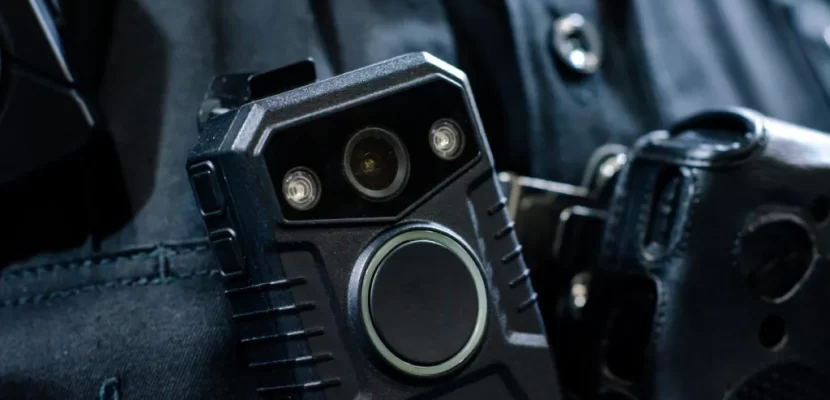
Police body cameras have become standard equipment across Louisiana law departments, fundamentally changing how criminal cases unfold. These small devices capture critical moments during arrests, traffic stops, and confrontations—footage that can make or break your defense. While body cameras were introduced to increase transparency and accountability, their impact on criminal cases cuts both ways.
At the John D. & Eric G. Johnson Law Firm, we’ve handled numerous cases where body camera footage played a decisive role in criminal defense strategies. Whether the video supports your version of events or presents challenges, understanding how this evidence works is essential when facing criminal charges in Louisiana. Our experienced attorneys know how to analyze this footage and use it strategically to protect your rights.
When Body Camera Footage Strengthens Your Defense
Body camera recordings can provide powerful evidence supporting your innocence or demonstrating that law enforcement violated your constitutional rights. The footage creates an objective record of what actually happened, which often contradicts police reports or officer testimony.
Documenting Police Misconduct
Body cameras capture officer behavior during arrests and investigations. If police conducted an illegal search, used excessive force, or failed to read your Miranda rights, the video provides indisputable proof. In cases involving resisting arrest charges, body camera footage often shows that defendants were complying with instructions or responding to aggressive police tactics.
Establishing Your Credibility
When your account of events differs from the officer’s version, body camera footage can validate your side of the story. For DWI charges, body camera footage captures field sobriety test performance and your demeanor during the traffic stop. The video might show you performing tests adequately despite officer’s claims otherwise, or reveal that weather conditions, uneven surfaces, or medical issues affected your performance rather than intoxication.
How Body Camera Evidence Can Complicate Your Defense
Body camera footage doesn’t always work in a defendant’s favor. The same technology that documents police misconduct can also capture incriminating statements, suspicious behavior, or evidence of criminal activity.
Capturing Incriminating Statements
Many people make damaging admissions to the police without realizing the consequences. Body cameras record everything said at the scene, including statements made before officers read Miranda warnings. Officers often ask seemingly casual questions designed to elicit incriminating responses, and body cameras preserve these exchanges.
Documenting Observable Evidence
Body cameras capture physical evidence and your appearance at the time of arrest. For drug possession cases, the footage might show contraband in plain view or document your proximity to illegal substances. In assault cases, the video can reveal injuries, torn clothing, or other signs of physical confrontation.
Understanding Body Camera Limitations
Body camera technology isn’t perfect, and recognizing these limitations helps identify weaknesses in the prosecution’s evidence. Several factors can affect the reliability and completeness of body camera footage.
Technical constraints impact what cameras actually record:
- Limited fields of view that don’t capture everything happening during an incident
- Blurry or confusing footage during rapid movements
- Poor audio quality affected by distance, background noise, or equipment issues
- Missing footage from critical moments when officers fail to activate cameras
- Inconsistent lighting conditions that obscure important details
Officers sometimes fail to activate their cameras at key moments, either accidentally or deliberately. Missing footage from crucial portions of an encounter raises questions about what evidence isn’t being shown. Your attorney can argue that gaps in the video record should be interpreted in your favor.
Strategic Use of Body Camera Evidence
Experienced defense attorneys know how to leverage body camera footage effectively, whether the video helps or hurts your case. Your attorney will obtain all available footage and review it frame by frame, looking for inconsistencies with police reports, violations of your rights, or evidence supporting your defense. When footage presents challenges, skilled attorneys develop strategies to minimize its impact through motions to suppress evidence, expert testimony about technical limitations, or context that explains seemingly damaging behavior.
Contact the John D. & Eric G. Johnson Law Firm
Body camera footage has become a critical component of criminal defense cases throughout Louisiana. Eric Johnson has been admitted to the Louisiana Bar since 1993 and is also admitted to practice in the United States District Court for the Western District of Louisiana and the United States Court of Appeals 5th Circuit. As a member of the National Association of Criminal Defense Lawyers and the Louisiana Association of Criminal Defense Lawyers, he brings decades of trial experience to cases involving complex evidence like body camera footage.
Eric has successfully tried cases resulting in acquittals for clients charged with serious crimes, including aggravated rape, armed robbery, and felony DWI. Whether body camera evidence helps or hurts your case depends on what happened during your encounter with law enforcement and how skilled your attorney is at analyzing and presenting the footage. If you’re facing criminal charges where body camera footage may play a role, contact us today to discuss your case and learn how we can protect your rights and freedom.